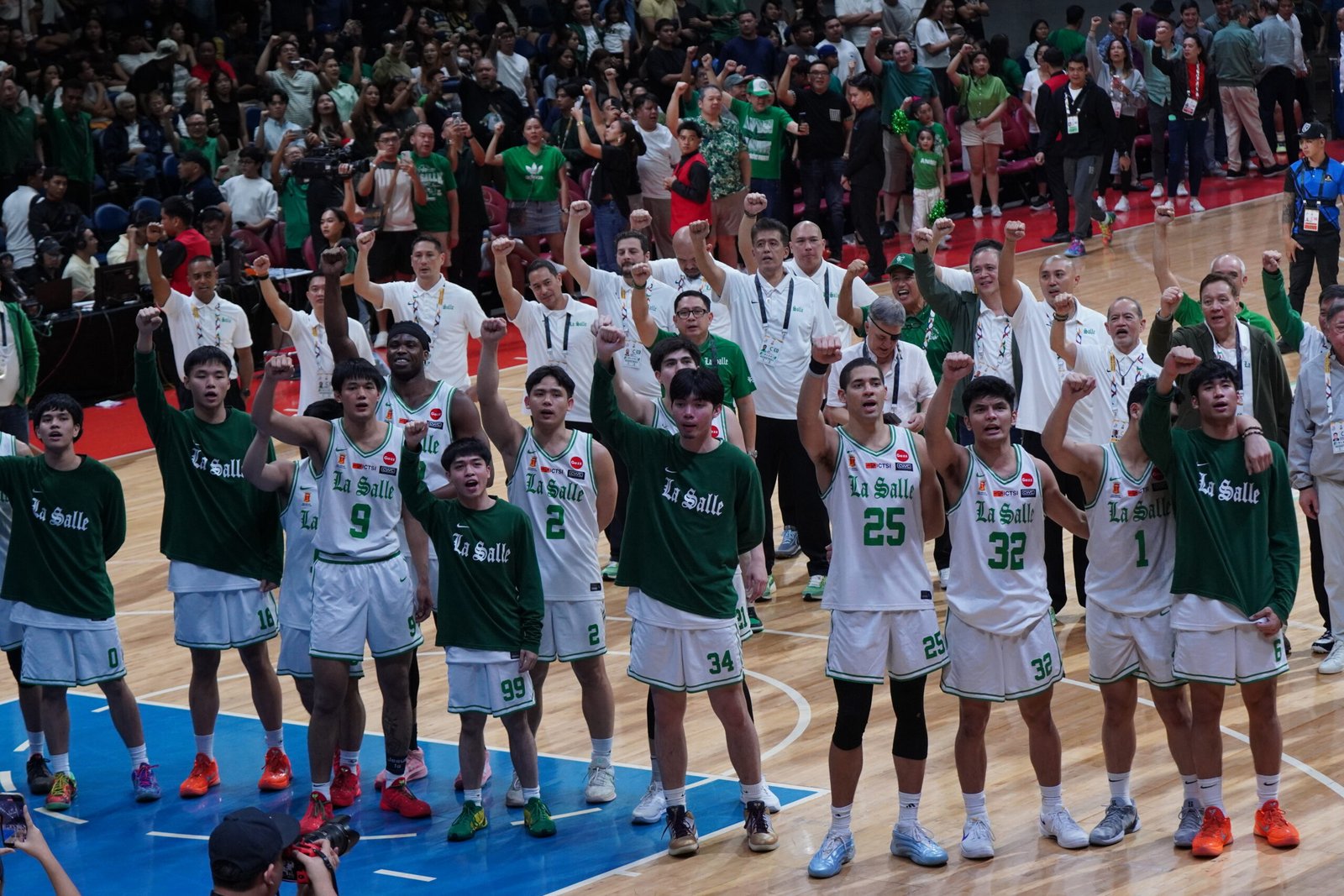
As the Season 89 Green Archers repurposed the JA4 tagline into Nike material, DON’T SLEEP ON LA SALLE initially felt less like a warning and more like something the Taft faithful had to convince themselves of.
The defending champions have lost Motor Mike Phillips, Kean Baclaan and EJ Gollena, and the problem isn’t simply disappearing stat lines. Phillips was the defensive safety net that allowed La Salle’s perimeter defenders to be aggressive that borders on gambling. Baclaan was the possession escape hatch when the first action had already been taken away. Gollena could absorb the opponent’s primary perimeter assignment without making La Salle pay for it offensively.
There aren’t obvious one-for-one replacements waiting on the Taft pipeline.
What La Salle has to do instead is calibrate and redistribute the jobs in a system that optimizes the given talents.
That makes Season 89 less about replacing the three pillars than figuring out whether the Green Archers can reconstruct the advantages those three created for everybody else.
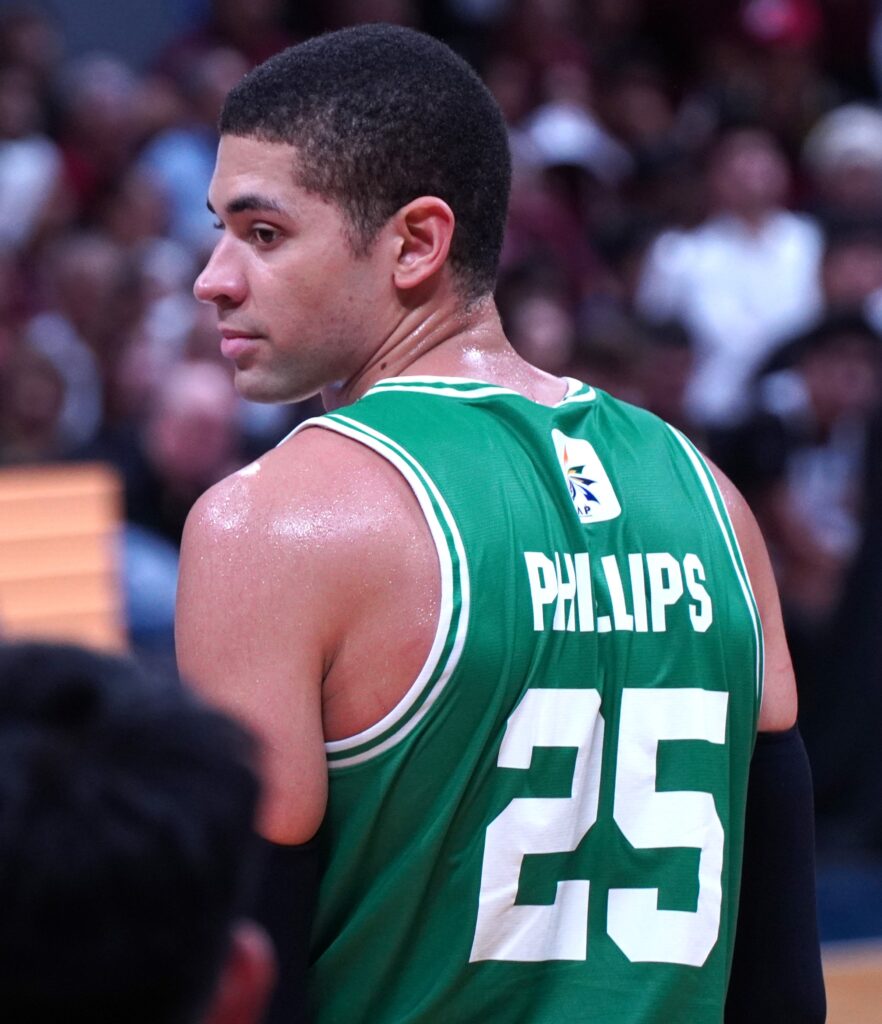
WHAT MOTOR MIKE LEFT BEHIND
Phillips’ 13.3 points and 13.7 rebounds per game are the obvious losses. The more consequential one is harder to measure: he gave La Salle permission to defend aggressively.
A guard could pick up higher and lock down the shooter because Phillips was behind him. A wing could stunt at the nail or reach into a passing lane because the possession wasn’t automatically lost if his gamble failed. A defender beaten off the bounce could recover rather than immediately abandoning the play. Phillips could switch onto smaller players, retreat toward the rim and still end the possession with the rebound.
He wasn’t simply the last line of the defense.
That is why his departure can alter La Salle’s defensive personality even if another big eventually reproduces a respectable portion of his individual numbers. Without Phillips, a failed point-of-attack possession has a greater chance of becoming a genuine breakdown. The help has to arrive earlier, the next defender has to rotate farther and the offense gets one more opportunity to find the crack.
Some of that showed up in the preseason. Opponents were more willing to attack the paint, and La Salle’s scrambling defense occasionally found itself choosing between giving up the lane and giving up the three.
The no-fly zone had become a little less no-fly.
The defensively feisty Green Archers with the defensive backbone manning the lane becomes a little more accessible.
The challenge for Topex Robinson is therefore not simply finding another rim protector. It is finding someone who can make the rest of the defense comfortable enough to take those risks again.
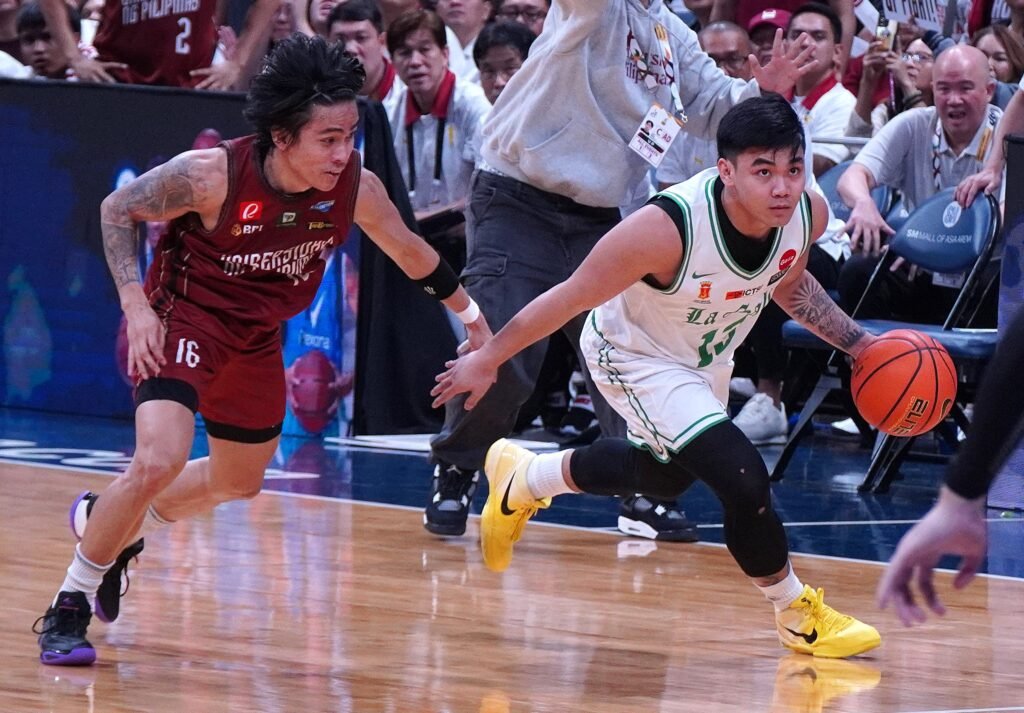
BACLAAN AND GOLLENA SOLVED A DIFFERENT KIND OF PROBLEM
Kean Baclaan wasn’t necessarily the player La Salle wanted controlling every possession. His value often appeared after the possession had already broken down and needed a savior to create shots in emergency situations.
Defenses would load toward Jacob Cortez, the first action would get flattened and the shot clock would begin working against the Green Archers. Baclaan could take the live dribble, change direction, get downhill, pull up or simply force the defense to react again. He had a knack for turning a possession the defense had begun to win into one that was still playable.
That is an underrated form of creation.
It doesn’t always produce a highlight. Sometimes it simply prevents a bad possession from becoming a worse one.
Gollena provided a different kind of insulation. His 5.3 points and 2.7 rebounds don’t explain why his minutes mattered; his speed and athleticism enabled him to chase the opposing scorer, contest without fouling and on the other end punish defenders who decided they could leave him alone on the perimeter.
So La Salle isn’t replacing three statistical lines. It is replacing a defensive eraser, a reliable secondary creator and a matchup specialist.
The preseason became the first attempt at figuring out how.
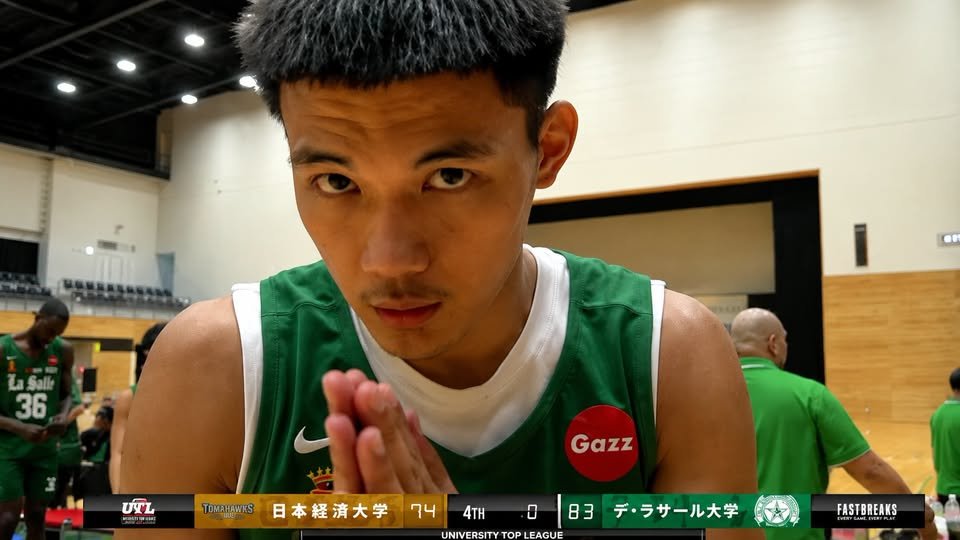
THE OFFSEASON WAS A SERIES OF TRIAL FLIGHTS
La Salle’s tournament results were scattered enough to be interesting: champions in the Araw ng Loreto Tournament and Mayor Kirk Asis Open Invitational, a quarterfinal exit in Fil-Oil, bronze in NSAC Hoops, fourth in the Roxas City Invitationals and, finally, a championship in the Japan University Top League.
We shouldn’t take those results too seriously.
The more useful information came from the minutes.
Topex could extend rotations, change combinations and expose players to possessions that aren’t available in practice. Young players had to make decisions while opponents were actively trying to punish them. Lebron Daep had his moments in Japan. The staff continued searching for FSA help in the frontcourt.
It was less a trophy tour than a series of trial flights.
The question was which skills would survive when the games became uncomfortable.
And one player gave La Salle a reason to feel a little better about the biggest hole on the roster.
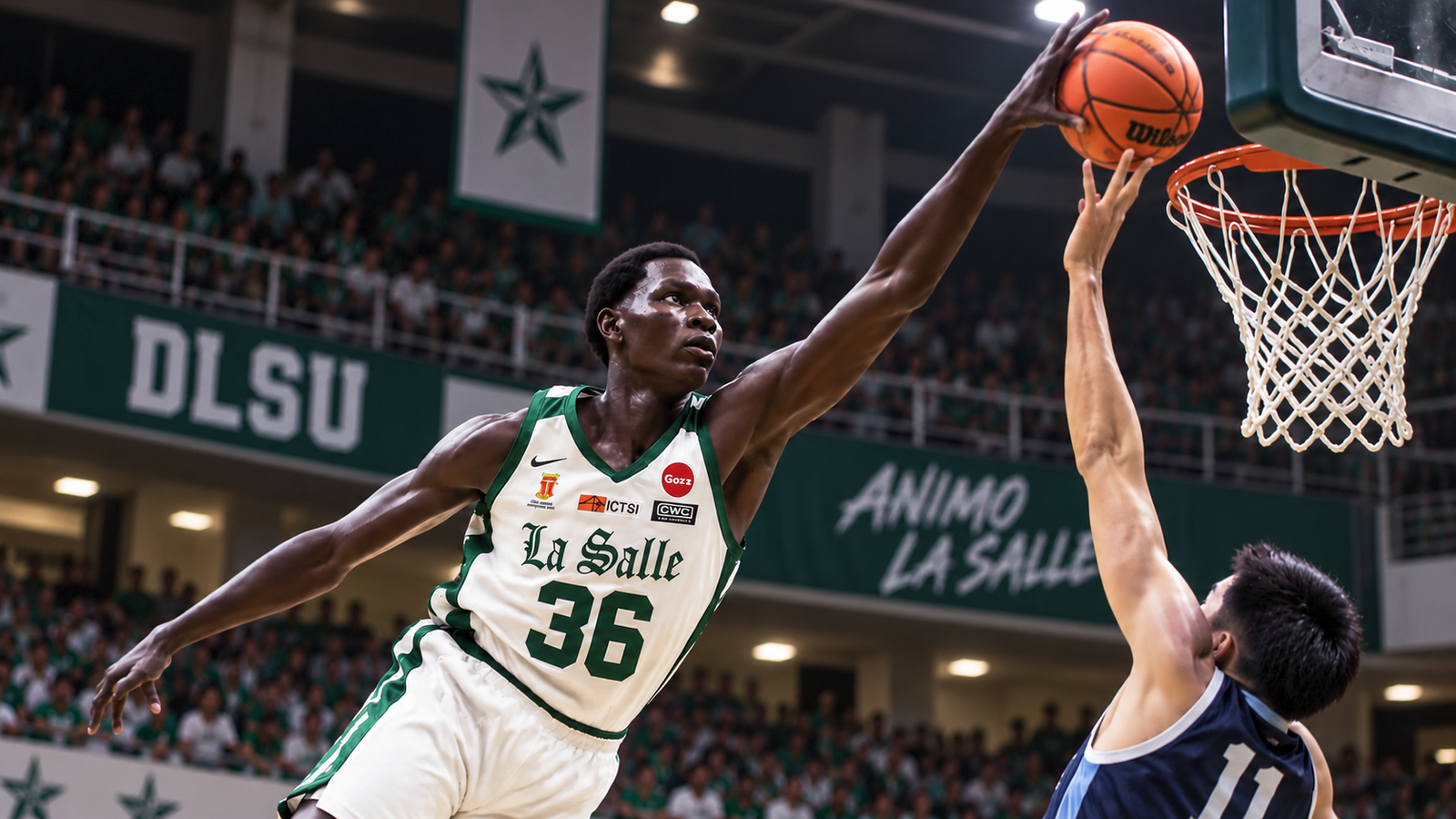
MO KULANG MAY BE THE HINGE
Kulang went bat-crazy on the boards in Roxas City, and with his unbelievable vertical produced 12 points and 14 rebounds against that gritty Adamson team before following it with 14 points, 11 rebounds and two blocks against UAC Keysborough.
The performance was good enough to earn him a place in the mythical five and calm desperate hearts in the Green Archers nation.
For a campus still experiencing the we-will-sorely-miss-Mike-Phillips fever, watching somebody protect the rim and vacuum up rebounds was a healing sight.
But the numbers aren’t what make Kulang interesting.
It’s what his development could allow everyone else to do.
If Kulang can rebound outside his immediate area, meet drivers without constantly leaving his feet and provide enough resistance at the rim to make the first defender comfortable pressuring the ball, La Salle can start recovering some of the defensive behavior that disappeared with Phillips.
The difference could be subtle. A guard stays attached for one extra beat because he trusts the help. A wing can show at the nail instead of simply staying home. A drive that previously required two defenders now needs only one. The defense gets to the next rotation instead of spending the possession trying to repair the previous one.
That’s how a Kulang’s value can travel beyond his own matchup.
Kulang doesn’t have to become Mike Phillips. In fact, trying to reproduce Phillips possession for possession would probably be the wrong assignment. He needs to become reliable enough that La Salle doesn’t have to redesign its defense around his limitations.
That is a much more realistic—and potentially more important—developmental target.
He will likely share minutes with the returning Henry Agunnane while rotating with Mason Amos, Seven Gagate and Luis Pablo, but Kulang is the player whose development could most directly determine how much of La Salle’s defensive DNA survives.
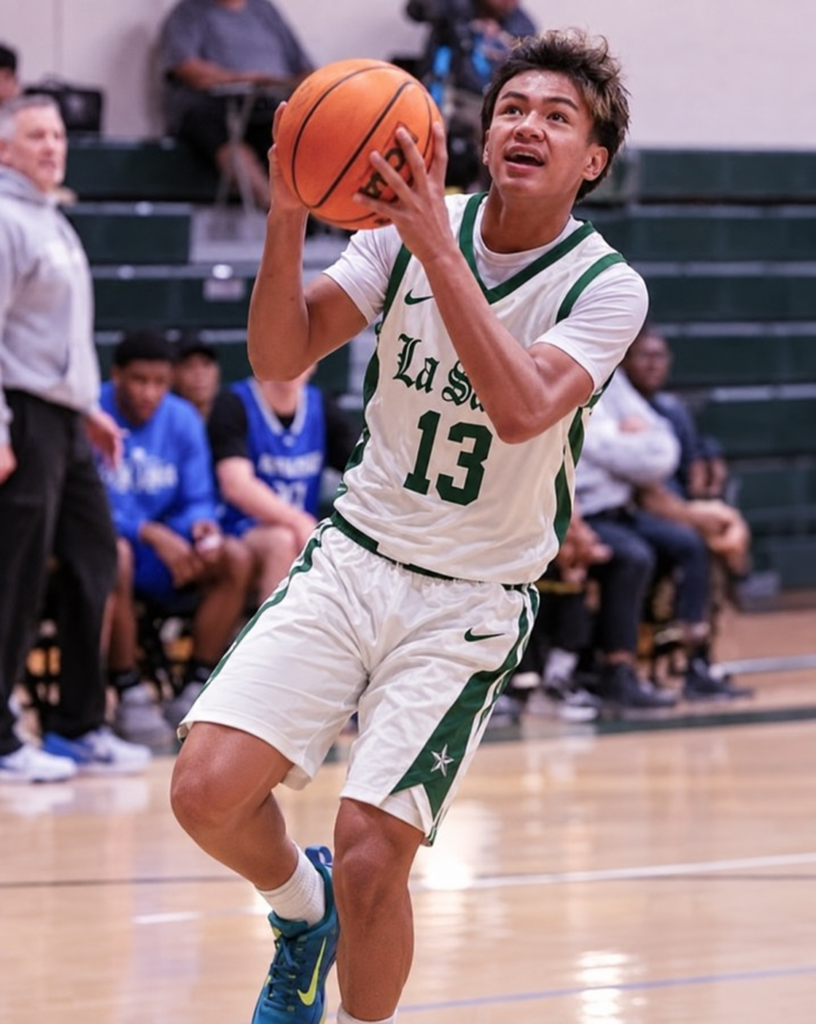
TOVERA HAS A DIFFERENT KIND OF JOB
Joaquin Touvera is the other intriguing experiment.
The Gilas U-18 standout averaged 18.5 points and showed a game built around creating his own offense rather than simply finishing somebody else’s. He can attack gaps, manufacture layups in traffic, pull up from three and pressure the ball. His 26-point championship-clinching performance against Thailand showed that the moment itself isn’t likely to be the biggest obstacle.
The UAAP will test something else.
At 5’10, beating the first defender isn’t the entire problem. It is what happens after the interior defense reacts.
Tovera can turn the corner, but can he get his shoulder far enough ahead of the defender to force the low man to commit? If the help arrives early, can he stop on balance and take the pull-up instead of drifting into a contested finish? If two defenders converge, can he make the simple pass that keeps the possession alive? And if teams begin going under screens, can his three-point shot punish them enough to reopen the driving lane?
Those details will determine whether the U-18 scoring translates into UAAP dominance.
That’s why his potential role is more interesting than his scoring average. He doesn’t need to become Baclaan. His wily shifty presence should give La Salle another player who can make a defense pay for putting too much attention on Cortez.
If he can create that second point of pressure, Jacob’s job becomes easier even when Touvera never touches the ball. Defenses have to stay honest somewhere else.
That’s the sort of impact a young creator can have before he becomes a star.
THE VETERANS GIVE THEM A RUNWAY
The good news for the defending champions is that it doesn’t have to discover all of this at once.
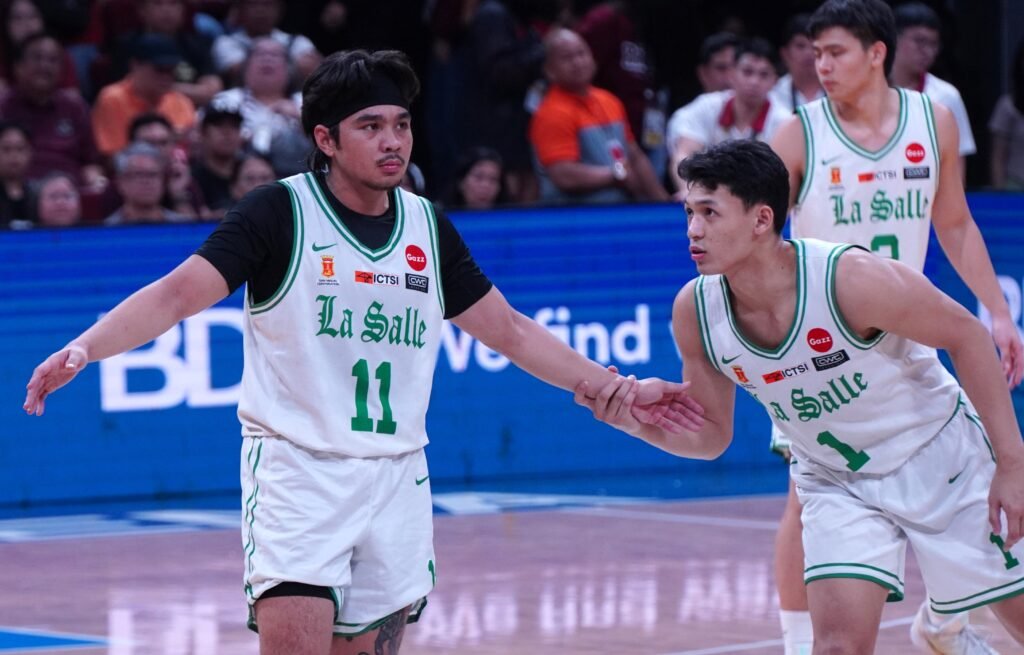
Jacob Cortez and Doy Dungo remain the league’s most formidable 1-2 point-guard combination, giving Topex experienced decision makers who can organize the offense while the younger pieces develop.
The grizzled green wing squad with Earl Abadam, JC Macalalag and Vhoris Marasigan provide enough depth to keep the floor occupied and is the toughest defensive puzzle to solve in Season 89.
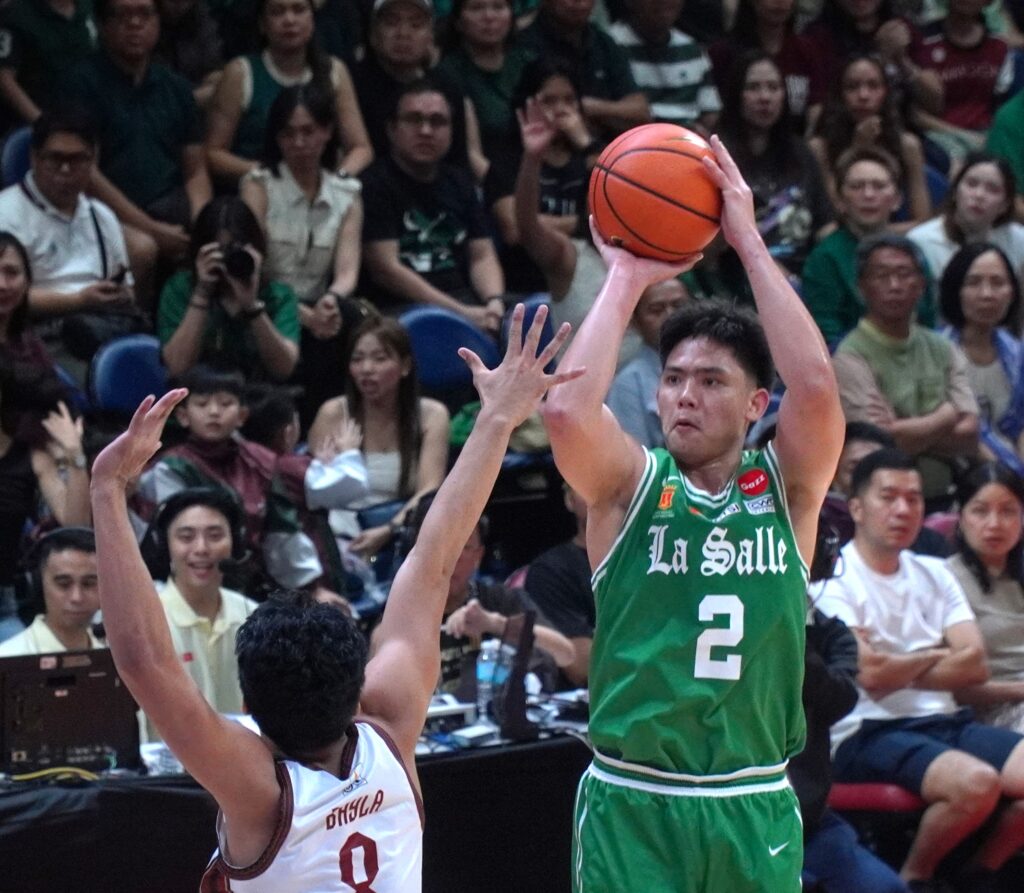
That veteran structure matters because development is easier when young players don’t have to solve every problem simultaneously.
Lebron Daep can find where his game fits as he has shown in the Japan tournament heroics. Gillian Quines has given us snippets of his NCAA MVP moves and showed that these juniors talents can be relevant against UAAP size and physicality. Mikey Cortez can work his way into the rotation without the weight of being asked to carry it.
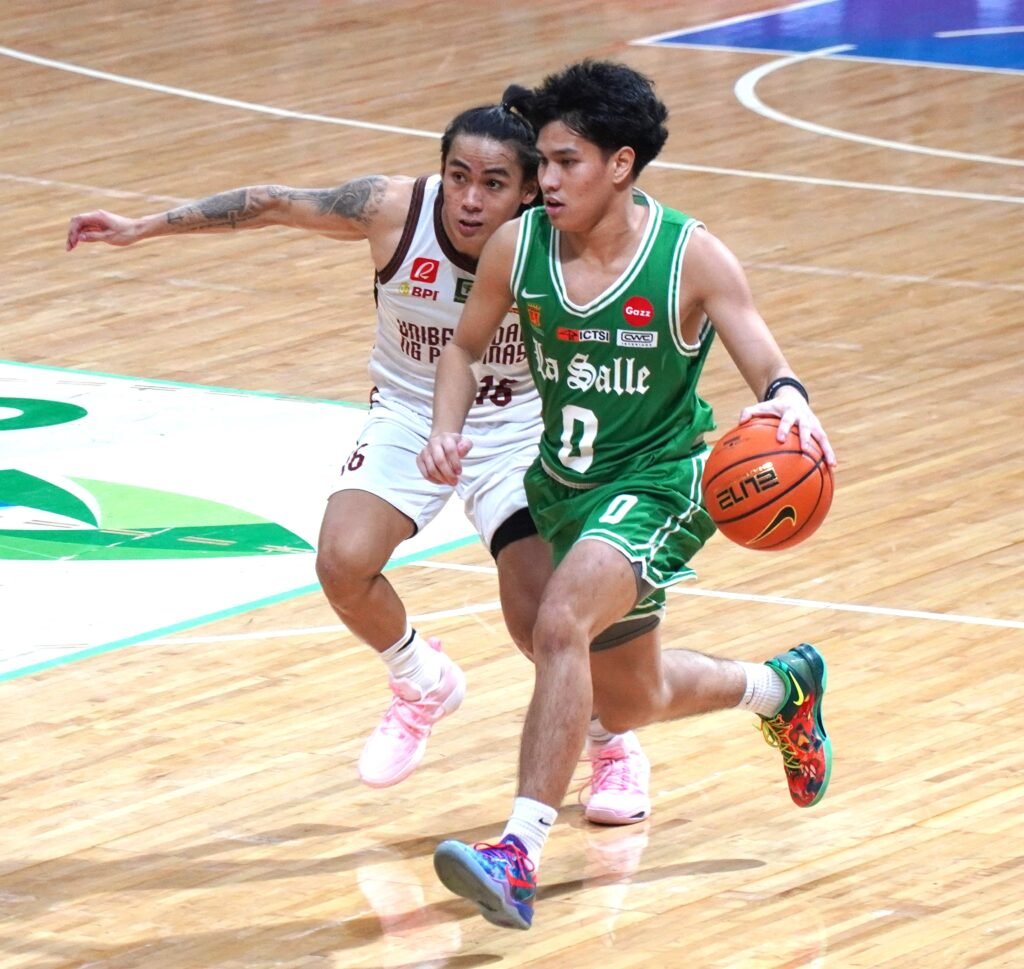
Mikey has already shown some comfort in difficult possessions. In the 2025 Fil-Oil Summer League against National U, Jacob fouled out with the Bulldogs threatening to take control. Mikey stepped in and supplied five crucial points, including a pull-up three, as La Salle escaped 69-64.
It was only one game, but it offered something useful: he didn’t need the game to become comfortable before he was willing to participate in it. And if we are talking about taking big shots, Mikey has shown he can shine in the game’s grittiest minutes.
La Salle may need more of that from its young players this season.
DON’T SLEEP
There are legitimate reasons to question the Green Archers.
Phillips’ defensive versatility is difficult to reproduce. Baclaan’s ability to rescue broken possessions is gone. Gollena’s defensive workload has to be redistributed. And there is no guarantee that a promising preseason big or an exciting U-18 guard will immediately carry over those skills against the length, physicality and scouting of the UAAP.
But that’s also what makes La Salle difficult to dismiss.
The roster doesn’t need to retool for every departed player. It needs the new pieces to change what the returning pieces are allowed to do.
As the cliché goes – provide a talent deep enough to allow Coach Topex and his brilliant coaching staff to cook.
Kulang is the clearest example. If he can stabilize the defensive back line, La Salle’s guards can execute nightmare perimeter defense and its wings can take more calculated risks. Tovera represents the offensive version of the same idea: if he can create a second advantage when defenses load toward Cortez, La Salle doesn’t have to ask its senior guard to solve every late-clock possession.
Around them is enough veteran talent to make those experiments viable.
Macalalag, Marasigan, Abadam, Mason, and Pablo are La Salle constants and that’s where the bets are.
Right now, that team is still taking shape.
Maybe Kulang becomes the interior stabilizer. Maybe Tovera’s creation survives the jump in competition. Maybe one of the wings forces Topex to give him minutes he didn’t expect to have.
Those are questions.
There is enough returning talent, enough developmental runway and enough interesting skill on this roster for the answers to potentially change the team’s ceiling.
The defending champions may not look particularly frightening on paper right now.
That doesn’t mean they won’t become a problem to play by November.
Don’t sleep on La Salle.
WE HAVE ONLY JUST BEGUN.
ANIMO LA SALLE!