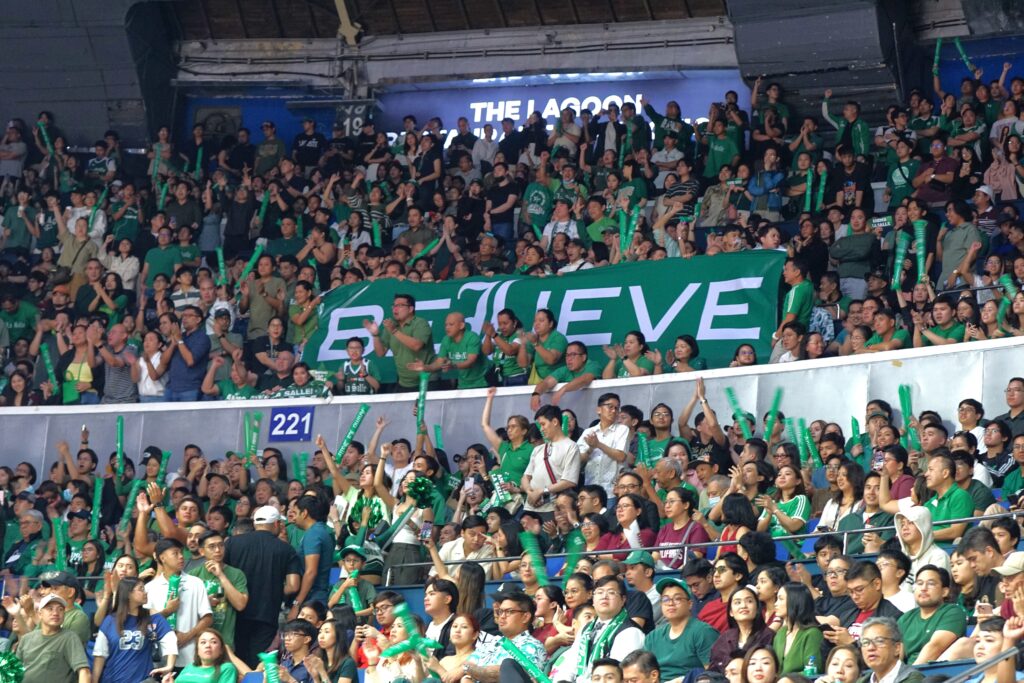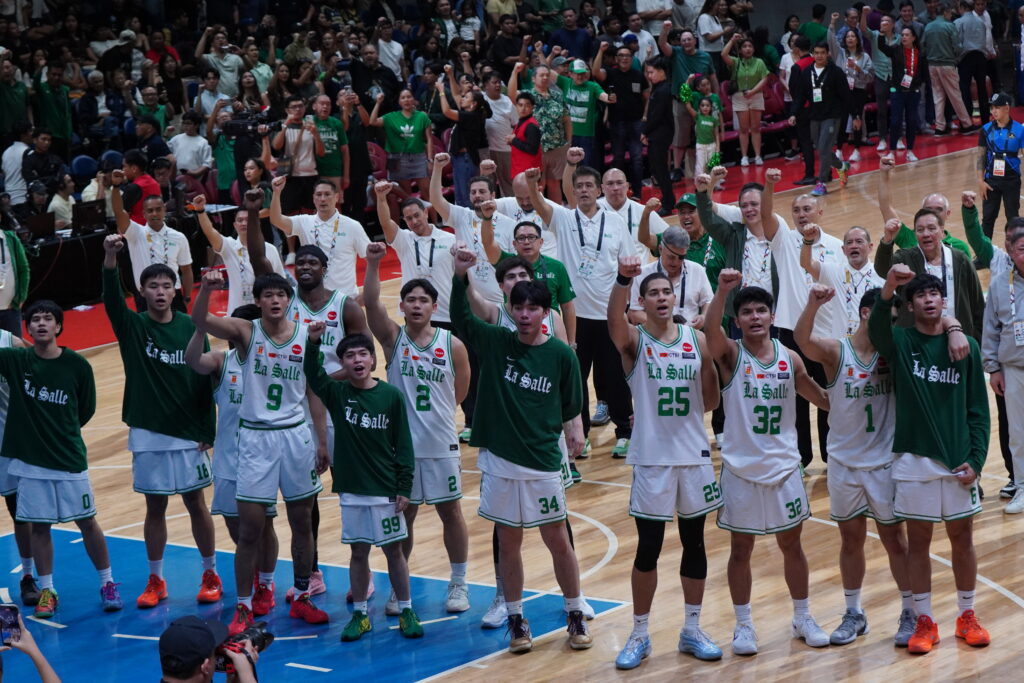
At the final buzzer of Season 87, an image burned itself into the collective memory of Taft Nation:
Kevin Quiambao, shoulders heavy with heartbreak, walking away from the hardcourt while Diliman danced on the ashes of La Salle’s season.
The graduating Joshua David, held up by longtime LSGH brother-turned-rival JD Cagulangan, looked like someone trying to swallow a universe of pain—pain shared by the more than 12,000 green-blooded fans inside Araneta.
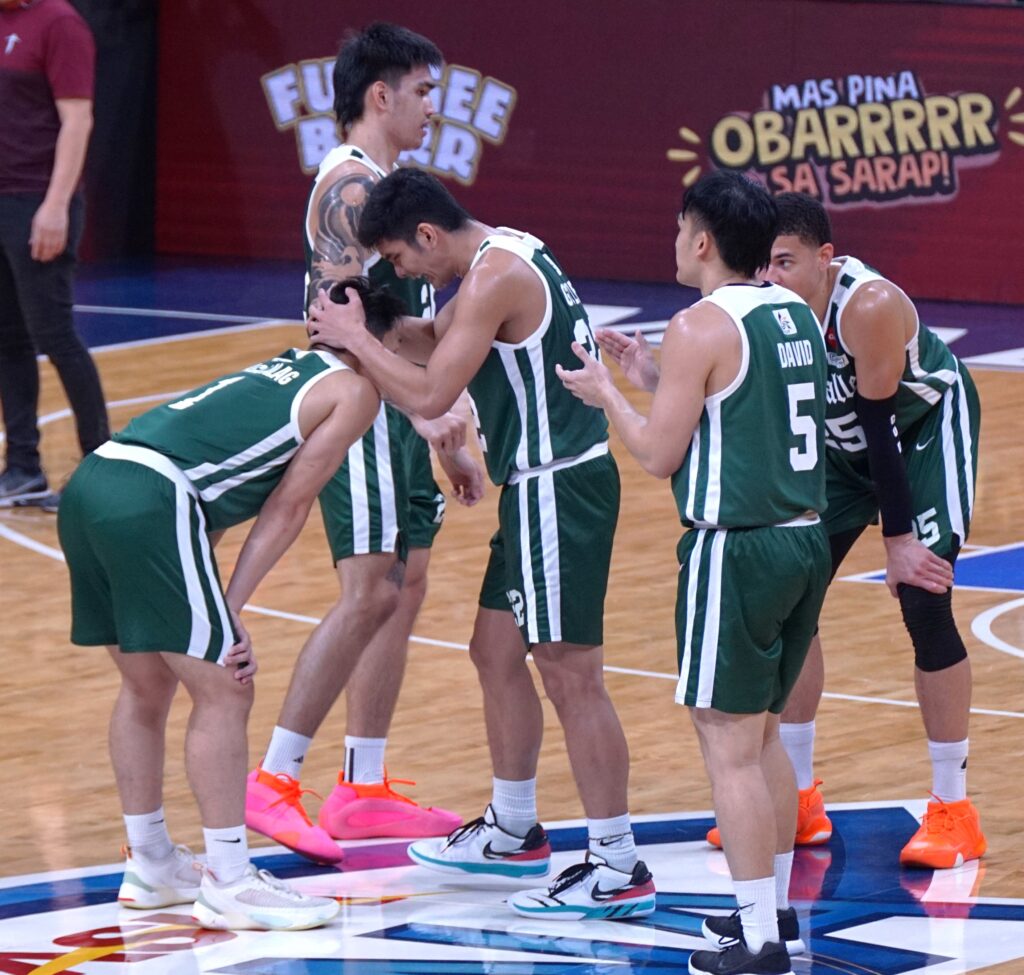
And Motor Mike Phillips—usually a living, jumping pile driver—collapsed on his father’s chest in the Patrons section, looking for warmth, for grounding, for anything that didn’t feel like the cold sting of an ending.
Even eternal optimist Coach Topex Robinson ran out of words. When the man who always finds light couldn’t find any, you knew how deep the wounds cut.
“Masakit”
The proud green and white nation consoled itself with a dream. A promise. A future glowing faintly in the distance.
Somewhere in the quiet corners of Taft, Kean Baclaan, Jacob Cortez, Mason Amos, and Luis Pablo were sharpening arrows, sharpening claws, sharpening purpose. Preparing for redemption.
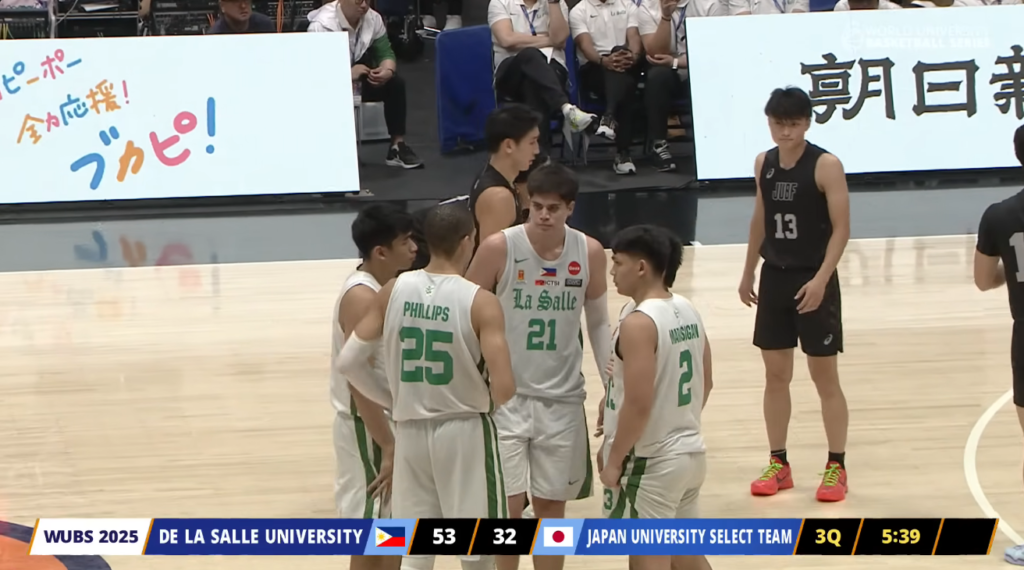
But summer ball? That was messy. Not the “superteam” dominance many expected—more like a chemistry experiment where the lab keeps catching fire. Hot one game, cold the next. Always explained away as “experimentation.”
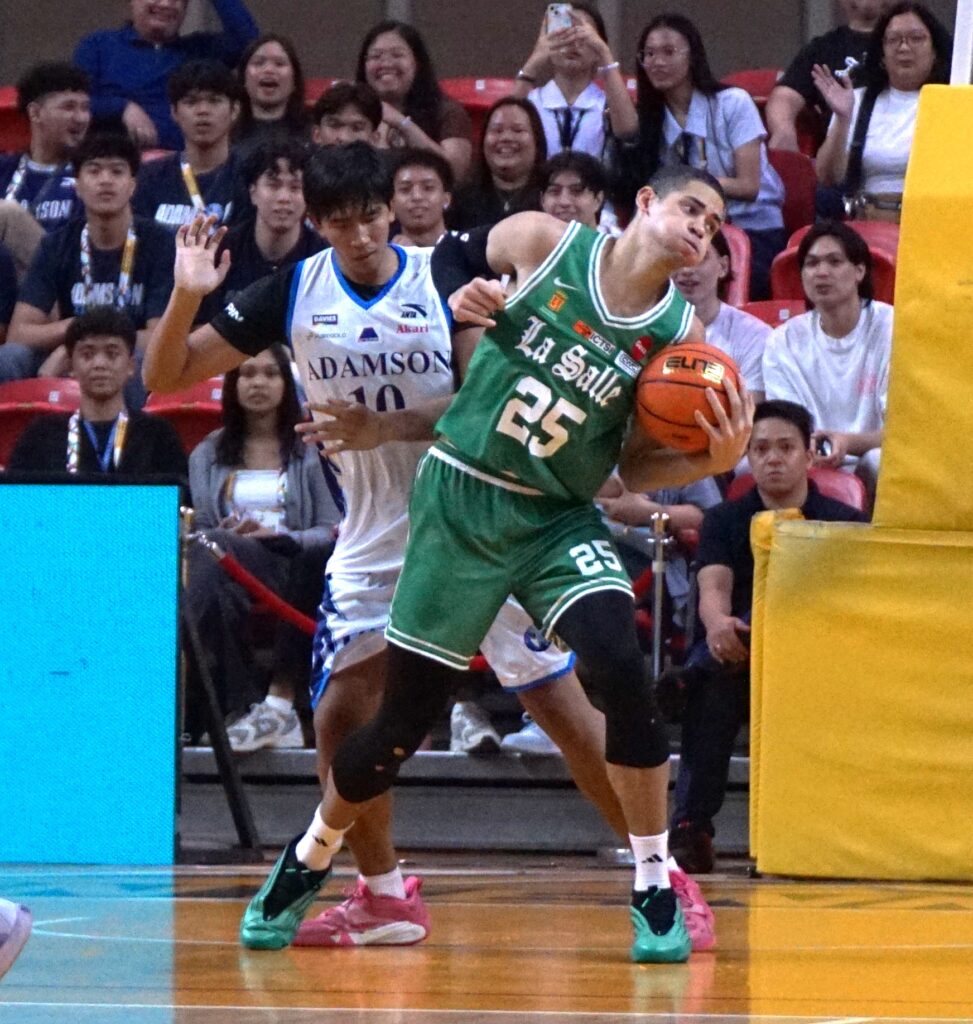
Then the season began, and this Green Archer team had a completely new flavor.
Potent.
Deep.
Talented.
But wandering the wilderness looking for identity.
You saw the struggle right away. They needed Mason Amos’ quarter-court prayer to get past Adamson, and were saved by the basketball gods when FEU’s Johrick Bautista’s finger roll was too strong.
A bounce here, an inch there—the story could have been different.
And those iso balls looked painful; the leather movement lacked rhythm.
Then came the wall: UST punched them, NU strangled the flow, Ateneo ran circles around them until a furious fourth-quarter rally gasped too late.
Falling short became the theme song of the eliminations.
And slowly, it felt like the season La Salle had envisioned was slipping through their fingers.
Amos got rocked by NU’s Gerald Santiago.
Baclaan got body-slammed by UE’s Wello Lingolingo.
And on top of the bruises, something more concerning faded away—the joy.
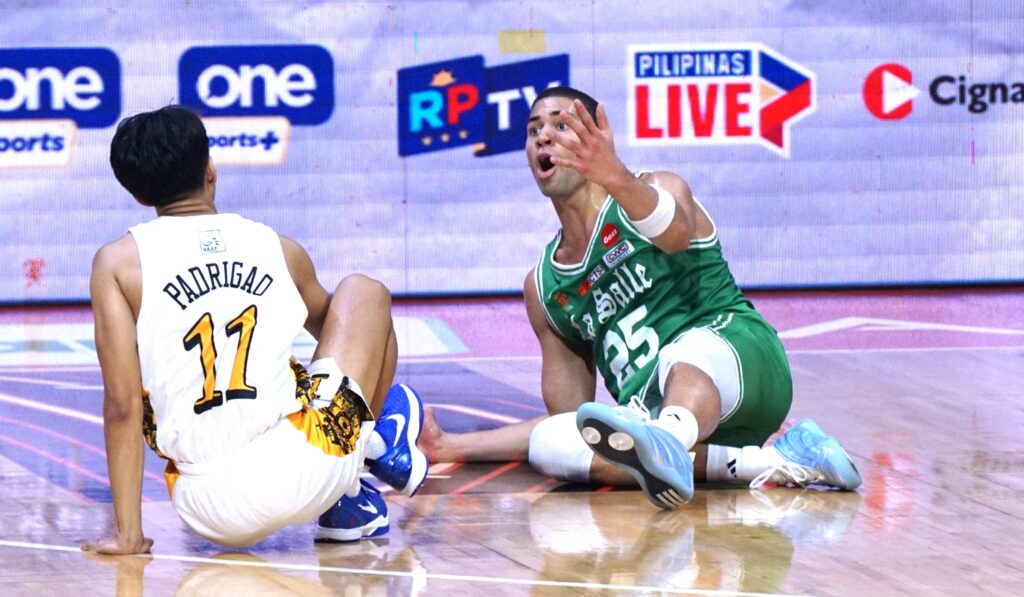
Viral photos showed EJ Gollena celebrating alone after a La Salle three.
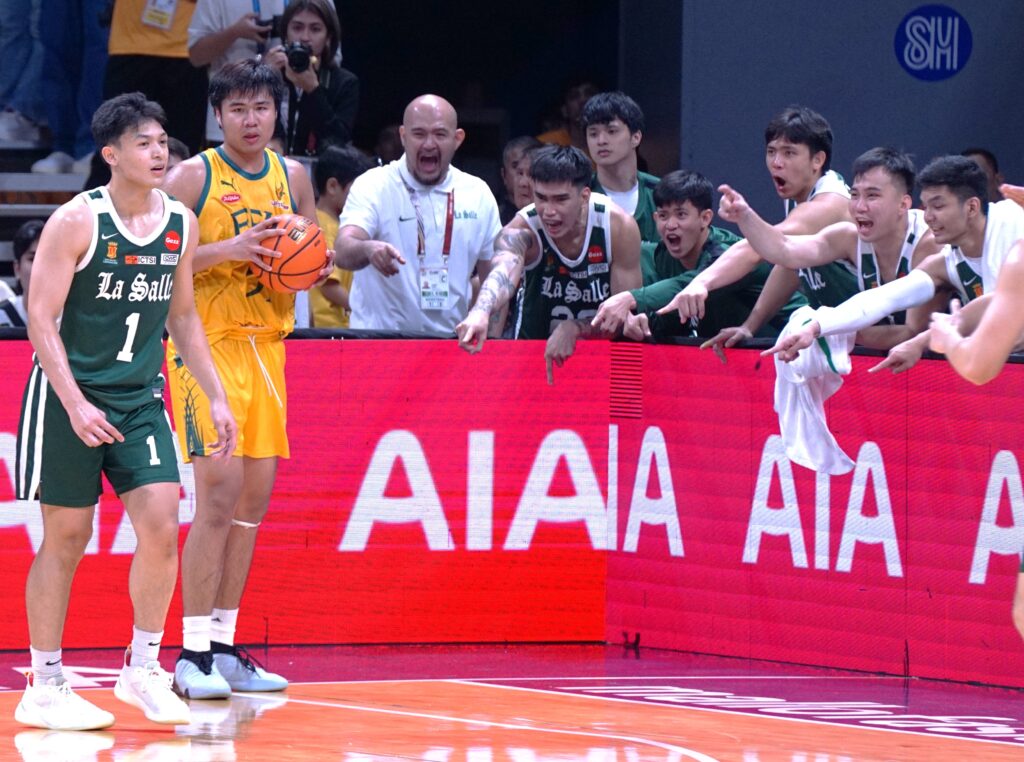
Gone were the synchronized bench explosions.
Gone was Kuya Ben Phillips hammering the LED boards like a hype drummer.
Gone were EJ’s trampoline hops after a slick play.
And everyone remembers: never step near the La Salle bench unless you’re prepared for a psychological war. Ask FEU’s VJ Pre—he still has flashbacks.
We missed the chaos.
The laughter.
The noise.
Because to us, that is La Salle basketball—sixteen happy Archers playing the game they love like it’s university break at the Chess Plaza.
Then came the second round.
They ended the first with a thunderbolt win over UP, opened the second by torching UST, climbed to 6–3… and then slipped right back into the mud.
Adamson. FEU. NU.
The Archers looked rattled, frustrated, even unfairly dragged by the freethrow Nazis.
It was a dark time—injuries, suspensions, pressure, noise.
The word “challenging” didn’t even scratch the surface of what was happening in Razon.
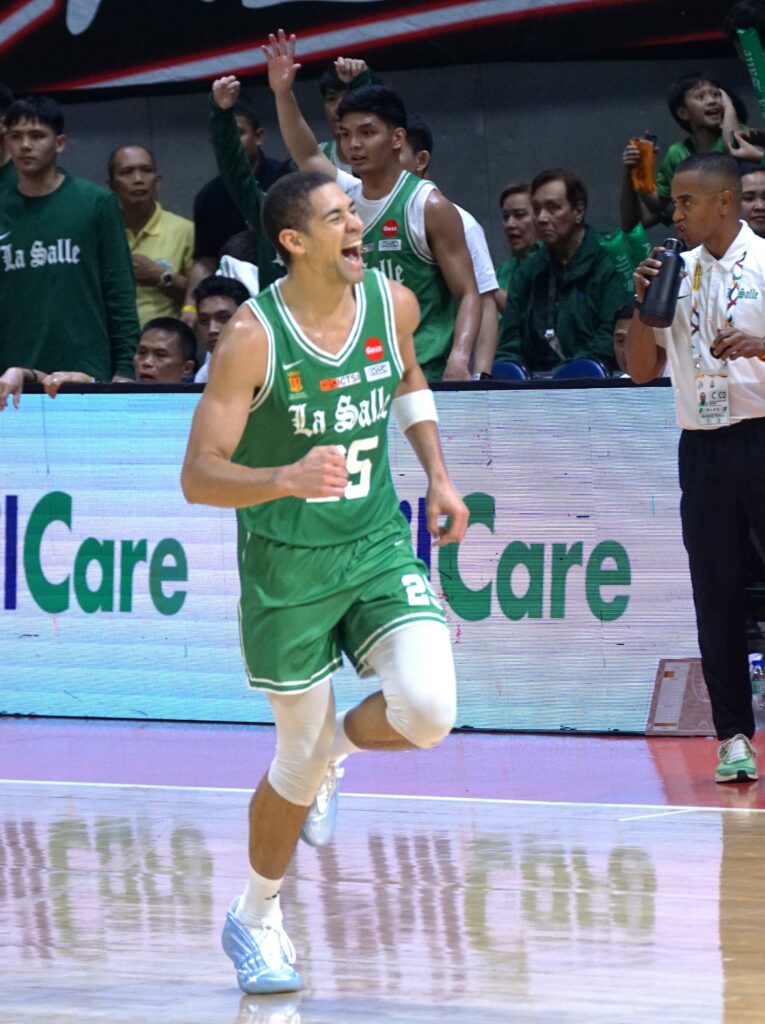
But inside the darkness, something flickered back to life.
They rediscovered joy.
They leaned on FAITH.
Motor Mike took point as servant leader, reminding teammates to share, trust, loosen their shoulders.
Co-captain Earl Abadam—tough as Taft concrete—willed the team through late-game comebacks and held the emotional line.
Practices became brutal. Physical. Competitive.
But Topex—who always speaks of the “good beyond the game”—had seen this moment coming. He kept preaching: All we need is one good streak.
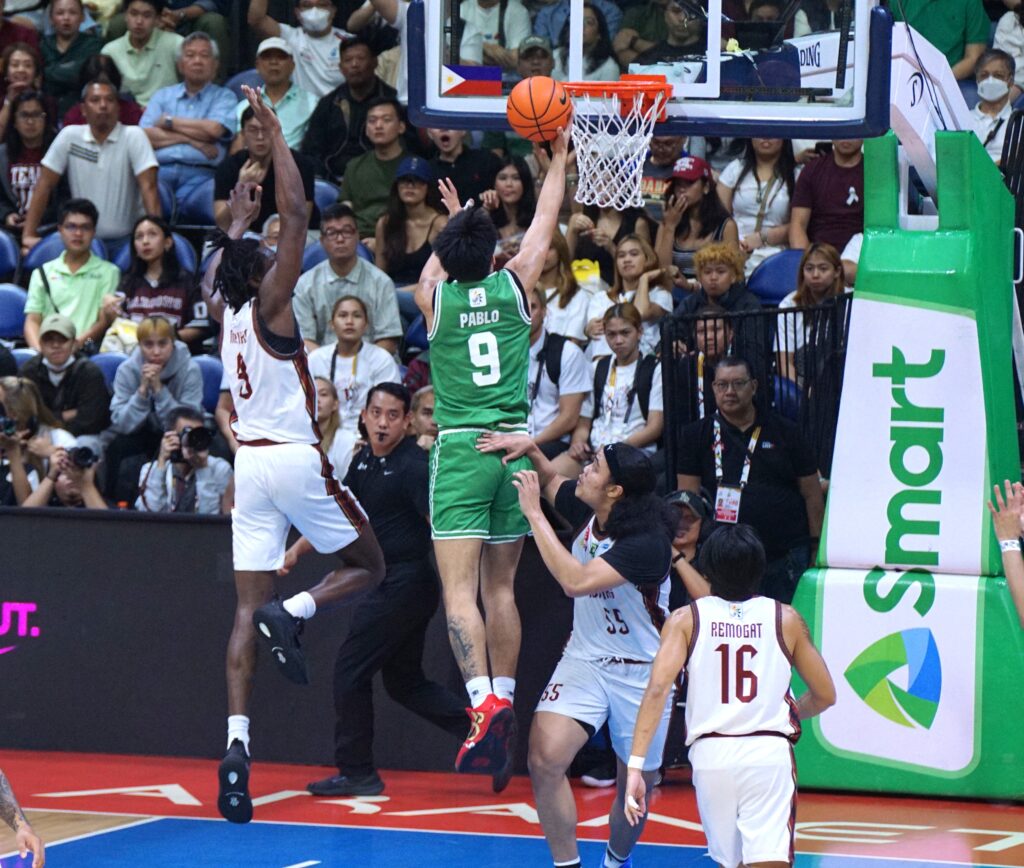
In these darkest moments, players started to rediscover themselves. Doy Dungo, Vhoris Marasigan and Luis Pablo got their golden opportunity to show the UAAP world what they were capable of doing.
UP and Ateneo were next on the schedule.
Perfect proving grounds.
La Salle bulldozed UP.
UP fans insisted they “weren’t trying.”
Sure, okay.
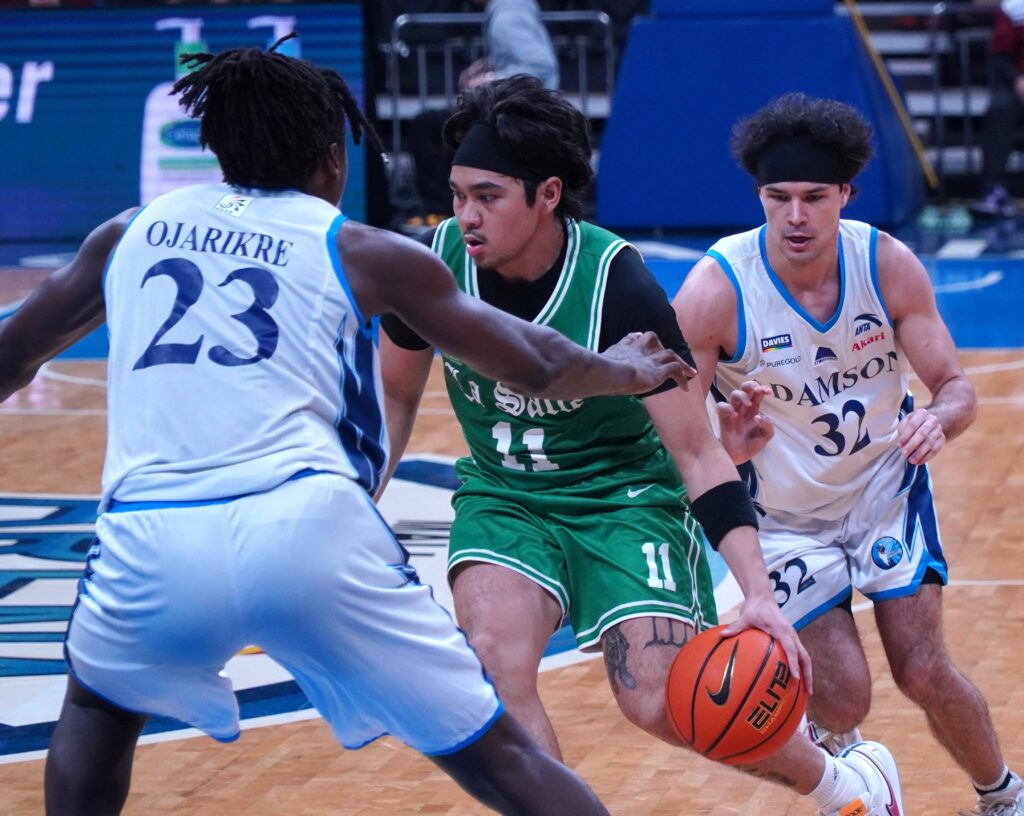
Then came Ateneo—ready to drag La Salle into misery. One loss and the Archers would spiral into a mess of three-way tiebreakers.
Instead, La Salle stomped the Eagles flat.
Marched into the Final Four as the underdog 4-seed, even with Baclaan back in the infantry.
These Archers then walked into Araneta and straight-up beheaded #1 NU.
After beating UP in Game One of the Finals, Coach Topex sat stone-faced in the press room with his nerd glasses on, reading the stat sheet.
Behind the seriousness was pride.
Perspective.
He reminded the Archers of the dark times—those days when they had no one but each other. And then he smiled and said proudly to the press corp:
“And you know what? Through those dark times, we rediscovered JOY.”
Joy of playing together.
Joy of playing for one another.
Joy of playing for Old De La Salle.
And today?
We got our old Green Archers back.
The loudest bench in the UAAP.
Celebrations that shake the camera.
Players cheering like fans, fans cheering like family.
“At the beginning, Mike always demanded the ball,” Topex shared. “Then he took the lead on being the servant leader. Shared touches and advocates that not every possession has to go through him.”
That—that right there—is classic La Salle basketball.
Unselfish.
Fluid.
Relentless.
Winning with spirit instead of ego.
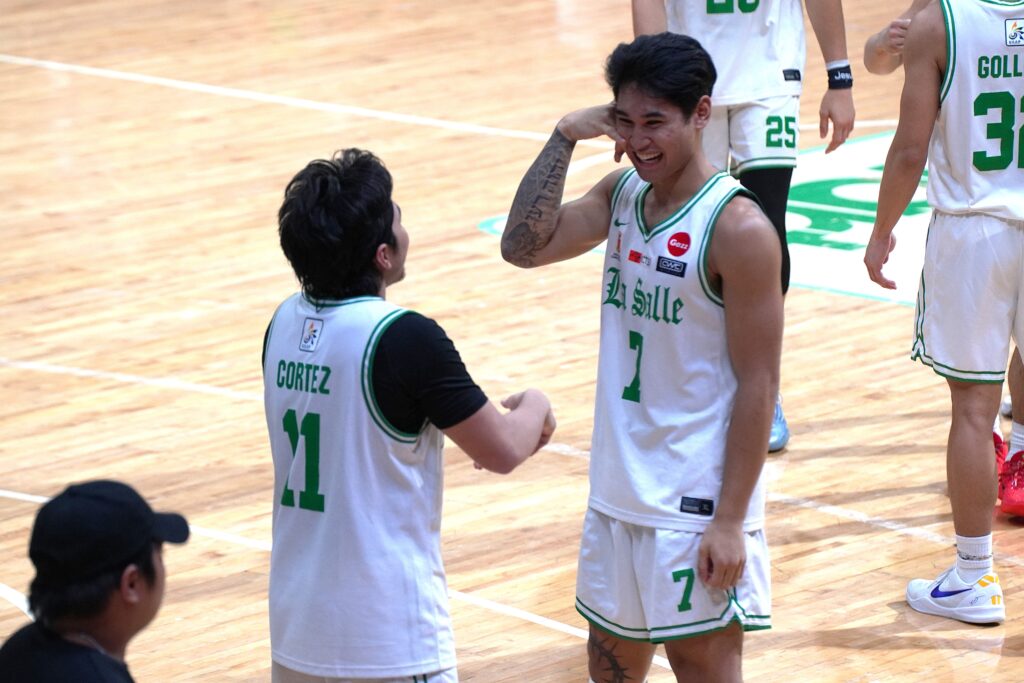
After winning all those crucial, heart-stopping clashes and Game One over UP, these Green Archers did not celebrate excessively.
No victory tears.
No playoff-level punching the air with clenched fist.
They kept their focus.
One. More. Game.
Ask Coach Topex why they play and win this way, and his answer lands like a creed carved in green marble:
“WE ARE PLAYING THIS WAY SO THAT FUTURE YOUNG PLAYERS WOULD LOVE TO PLAY FOR DE LA SALLE. IT IS NOT ABOUT US ANYMORE. IT IS FOR THE FUTURE.”
That is ANIMO made flesh.
That is who the Green Archers have always been.
And who they rediscovered at exactly the right time.
ANIMO LA SALLE!